Small Business Architecture and design
“Physical prototypes play a vital role in concept iteration, enabling architects to hold, examine, and modify designs more efficiently.”

MASSLAB case study in numbers
MASSLAB est un studio d'architecture à Porto qui a presque entièrement converti la fabrication de modèles à l'impression 3D. Les bâtiments, les parcs et les terrains sont imprimés en pièces séparées et interchangeables, adoptant une approche des idées aux objets.
- 40architects and staff in Porto
- 2021year of transition to 3D printing
- 2dual-head Original Prusa XLs
The studio relies on 3 main filaments (PLA, PETG, and PC-Blend) to create modular prototypes and rapid visualizations.
The studio secured 1 major tender for a combined commercial, office, and hotel development by bringing swappable prototypes directly to the client.
The studio runs a print farm built 100% exclusively on Original Prusa 3D printers, prized for their price-to-performance ratio.
Models built from separate swappable pieces
- ProblèmeTraditional paper or cardboard models lock a design in place. If an architect needs to test a new layout, tweak a building height, or swap a feature, a single static diorama forces the team to start over.
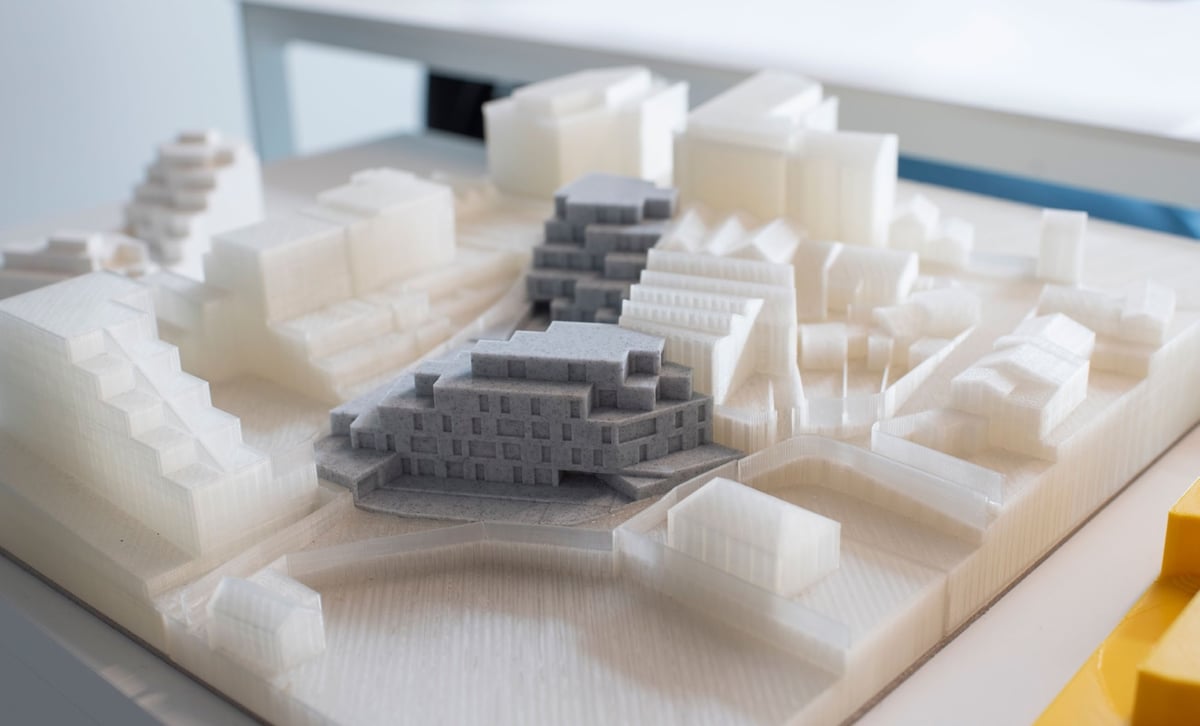
- SolutionMASSLAB designs its models as modular puzzles. Buildings, parks, and terrain are all 3D-printed as individual, swappable components. The team can simply lift one piece out and drop another in to test an idea immediately.
- ValeurA master plan stops being a static scene. When a design needs a large-scale change, the model changes on the table instead of heading back to the workshop.

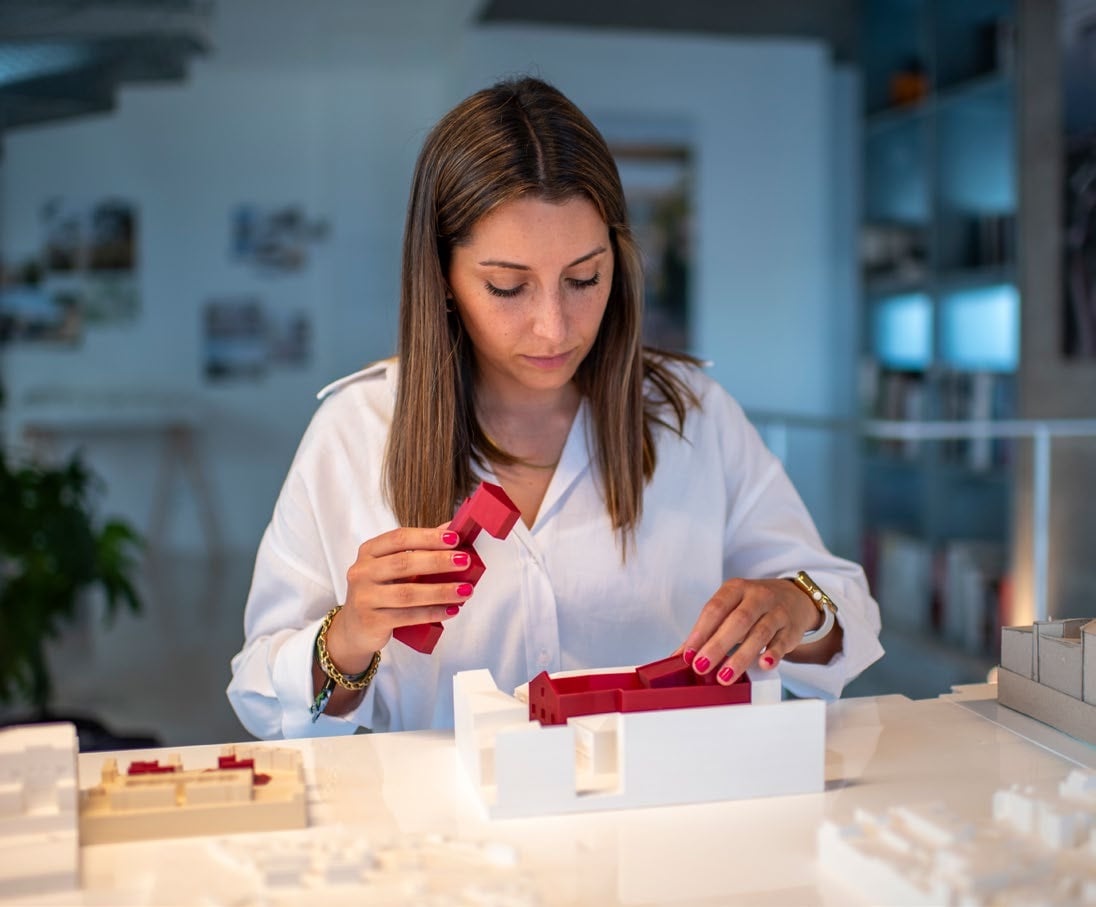
A print farm inside an architecture studio
- ProblèmeMoving from digital renders to physical objects requires reliable hardware that fits an architectural environment. The equipment must handle large volumes, complex geometries, and advanced materials without constant maintenance.
- SolutionThe studio runs a print farm built exclusively on Original Prusa 3D printers, prized for their price-to-performance ratio. Two new dual-head Original Prusa XLs handle large, multi-color builds, while enclosed machines maintain the stable conditions needed for technical materials like PC-Blend.Imprimé surPrusa XL+PC Blend
- ValeurDigital designs evolve through multiple rapid physical iterations. Proportion checks and configuration tests happen early, well before the project enters its final stages.
Changing the design during the client meeting
- ProblemPresentations often stall when a client asks what a different roofline or shifted facade would look like. Describing the change is not enough, but traditional model-making means they have to wait weeks to actually see it.
- SolutionBecause the studio prints fast variations of individual building elements, architects can bring multiple options to the meeting. Clients can physically swap pieces out to see how different configurations look, letting them weigh in and make decisions right away.
- ValueThe studio secured its largest tender to date, a combined commercial, office, and hotel development in Finland, by bringing swappable prototypes directly to the client.

Still not sure where 3D printing fits your production?
See what other enterprise companies print, a film studio, a collider, a hangar, a car plant.



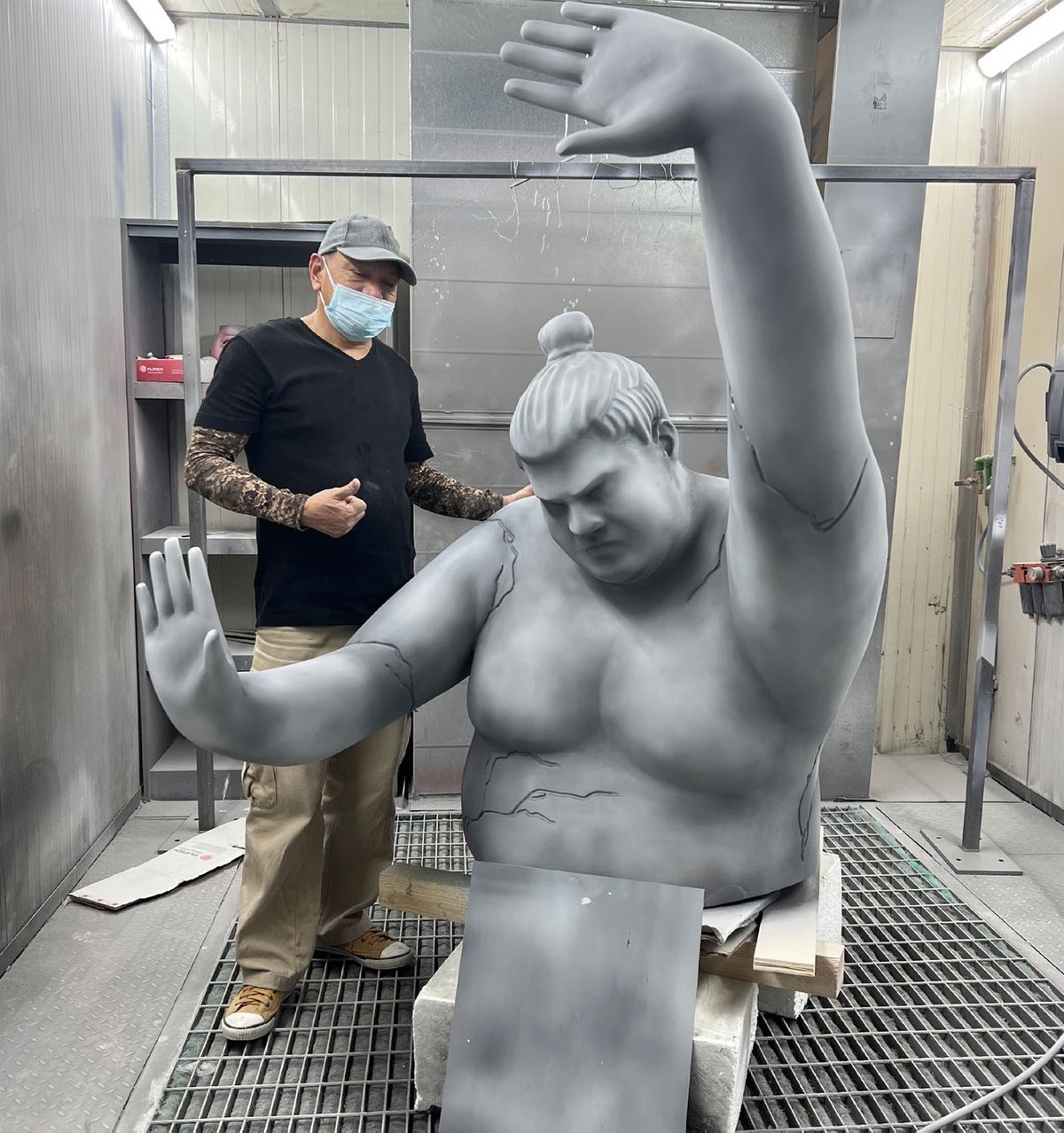
Customer story Proto21
Proto21 grew from one printer and a laptop to sixty machines
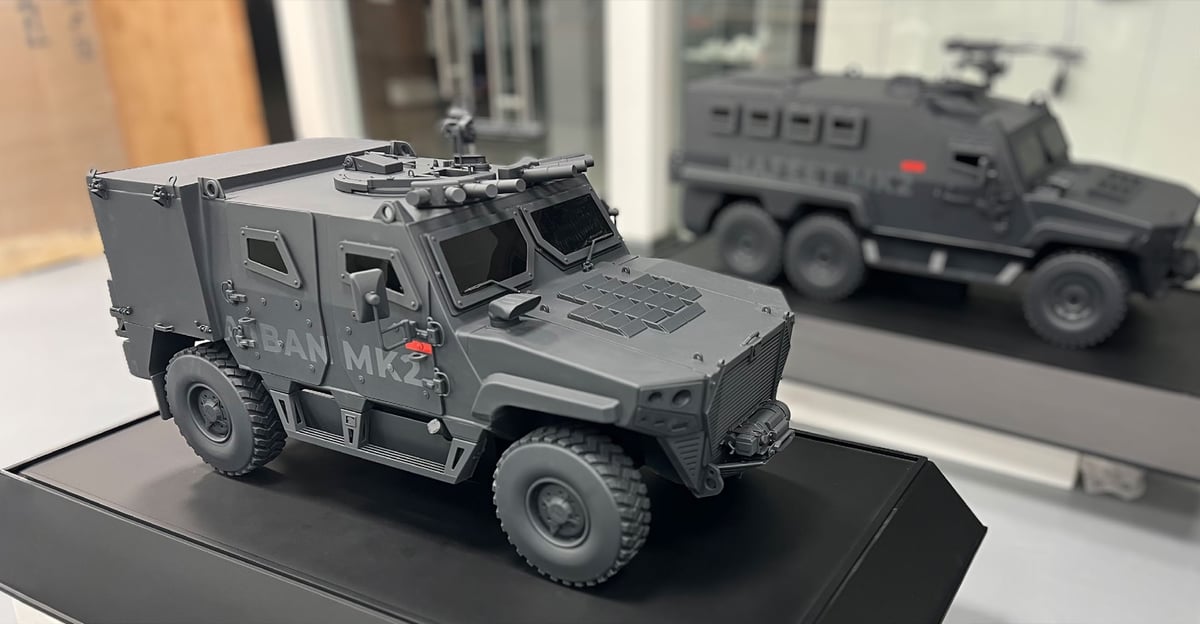
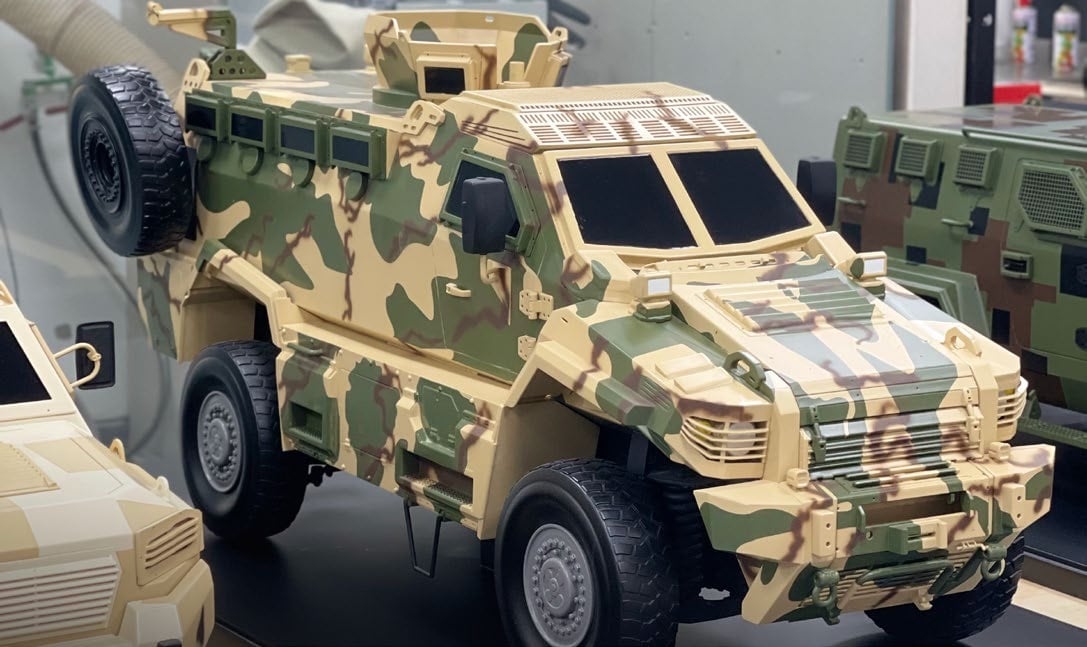
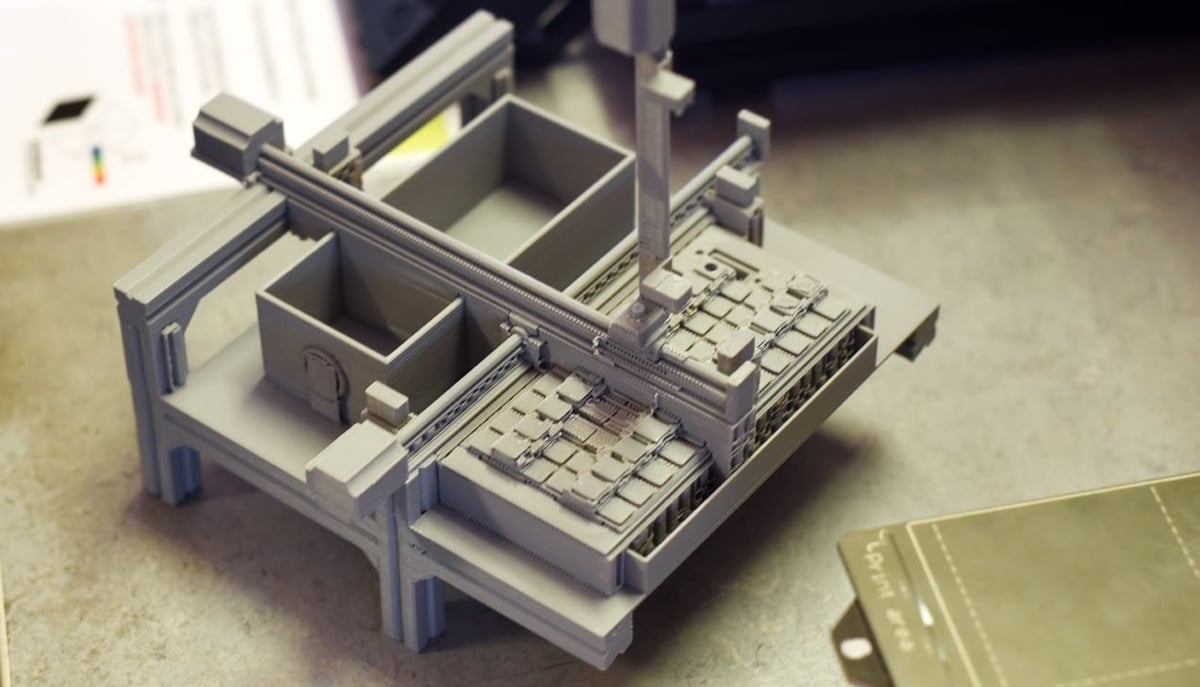
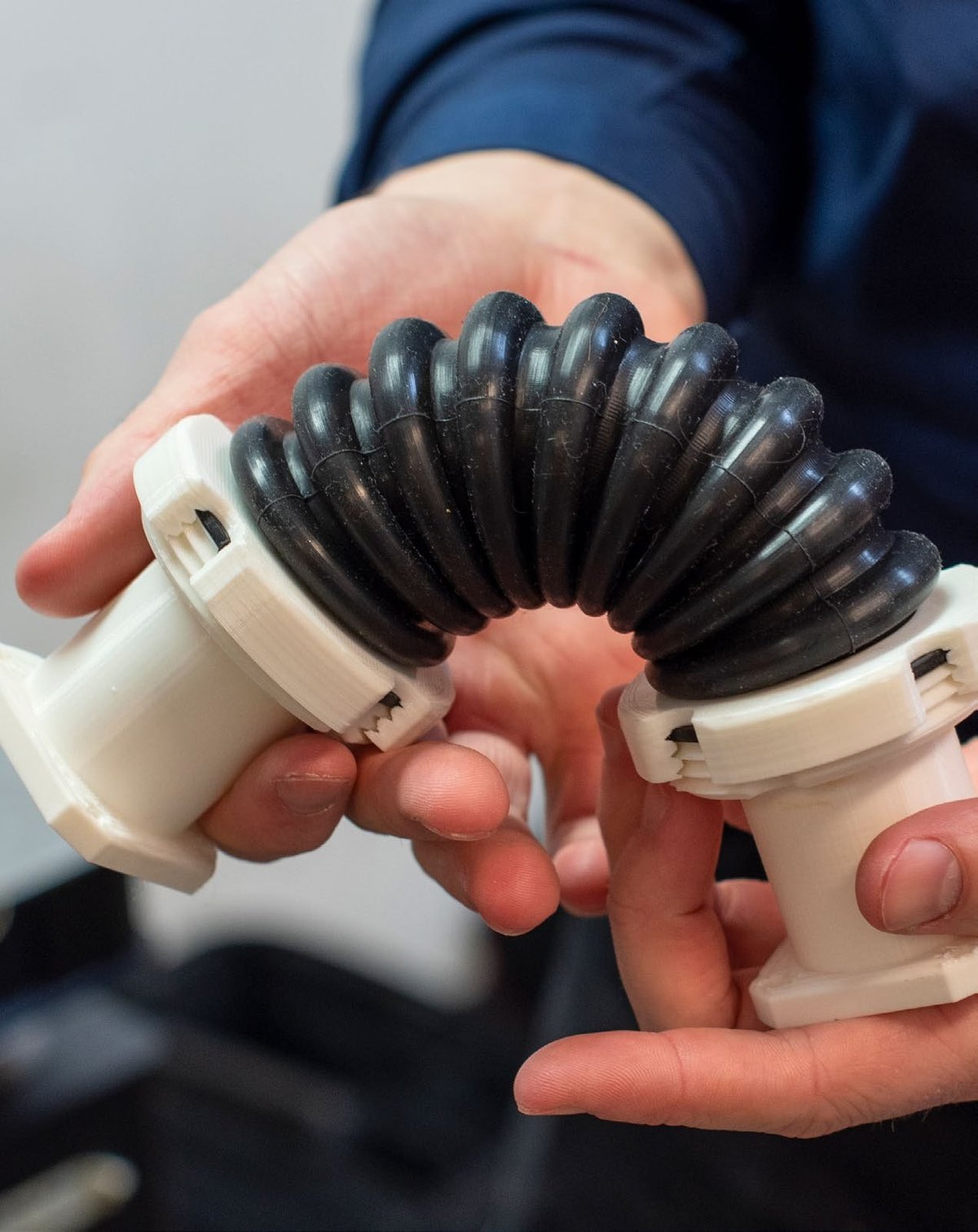
A thirty-person Dubai workshop printing prototypes, architectural features and defence miniatures for customers from ADNOC to Adidas. The facade it created for the Adidas store in the Dubai Mall is made with over 1,000 printed parts.
- 40Original Prusa printers
- 25+countries their work is seen in
- 30people in Dubai
“Our journey began in a small office space in a business bay with only one 3D printer and a laptop.”






Customer story CERN
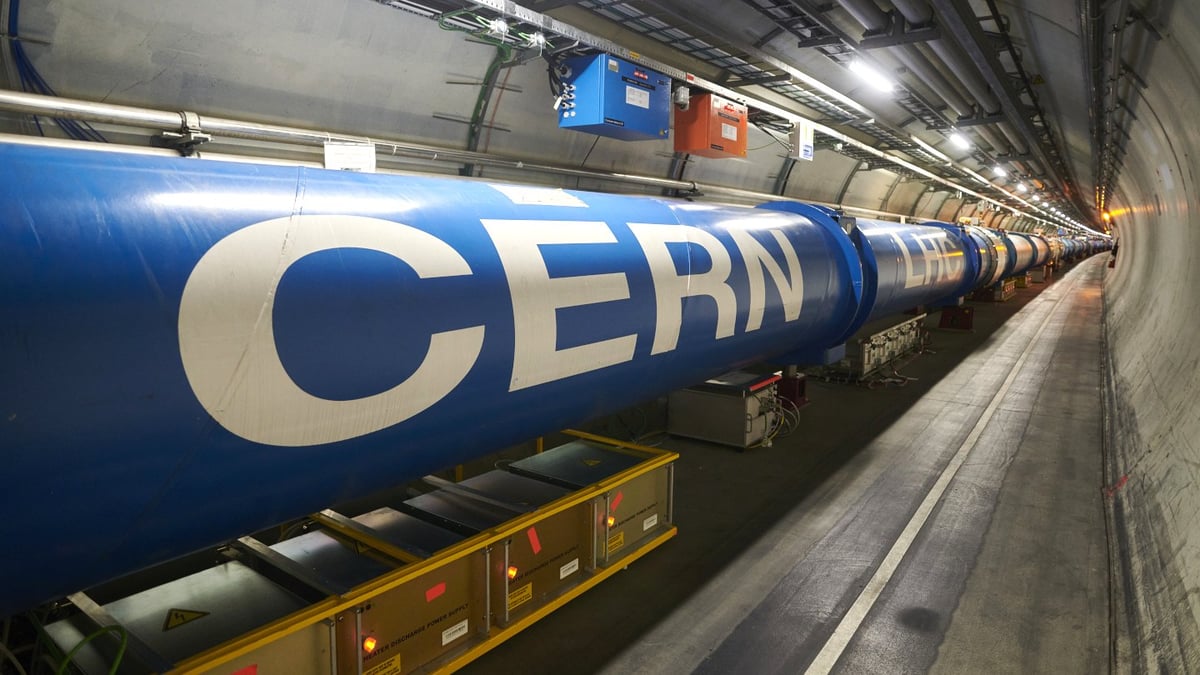
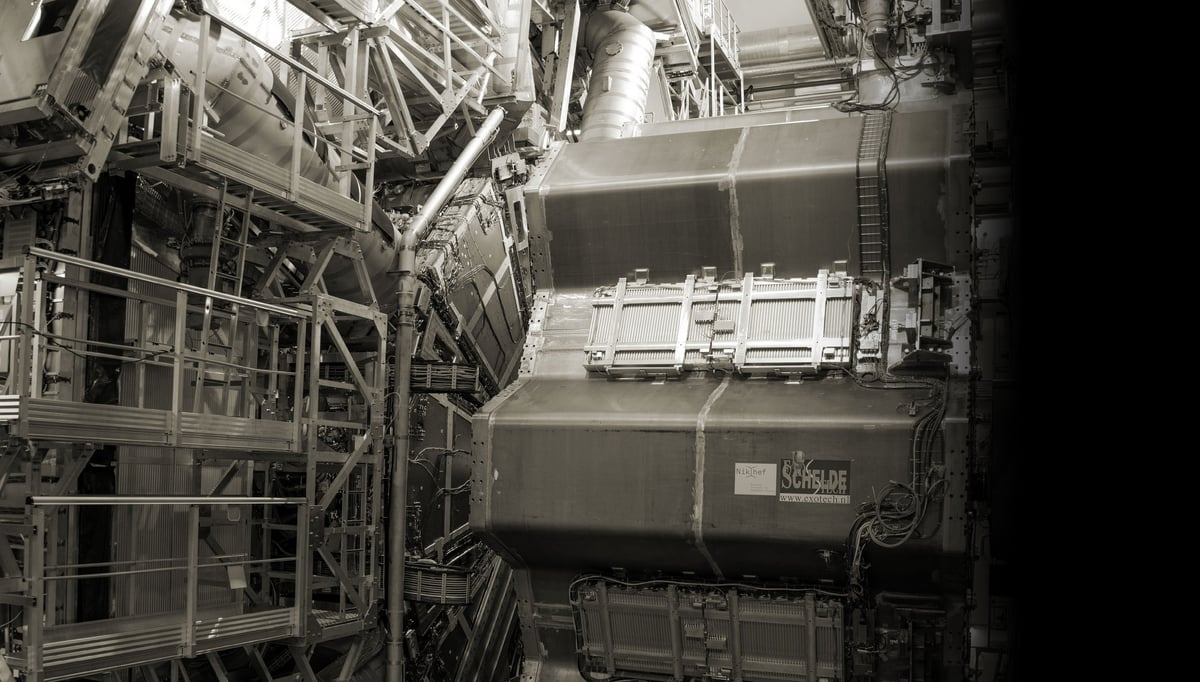
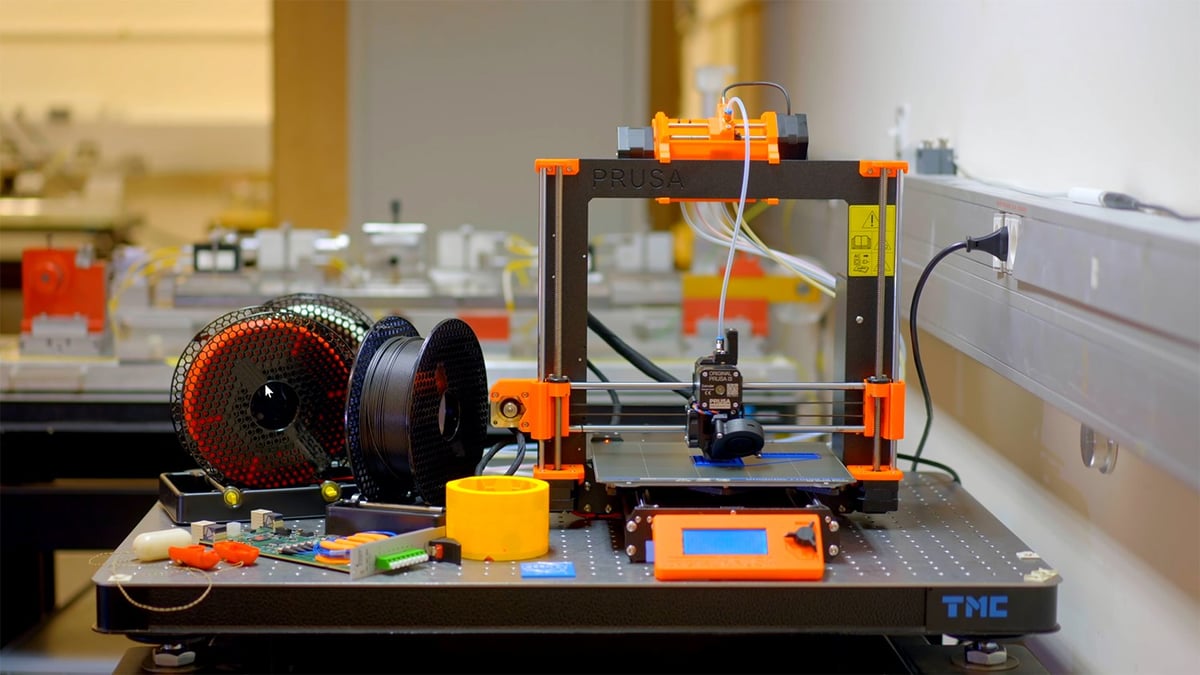
CERN prints parts that go straight into the LHC tunnel
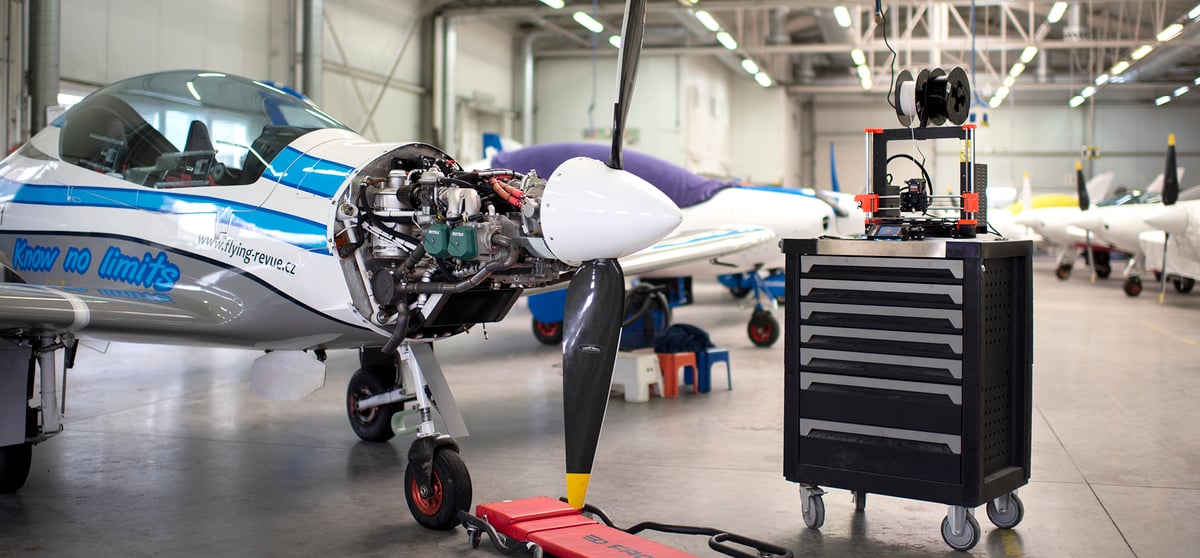
The European Organization for Nuclear Research runs Original Prusa printers across its departments, from maintenance and IT to the research facilities. What comes off them is not always a model of the part: a printed bead carries a fragile measuring wire for 200 metres inside the Large Hadron Collider.
- 12,000+people at CERN
- 27 kmthe LHC ring
- 100 munderground
“We use 3D printing a lot. It is not just for testing, we also use it to create parts that go directly into the tunnels of the Large Hadron Collider.”





Customer story Shark.Aero
Shark.Aero prints the parts its aircraft could not buy
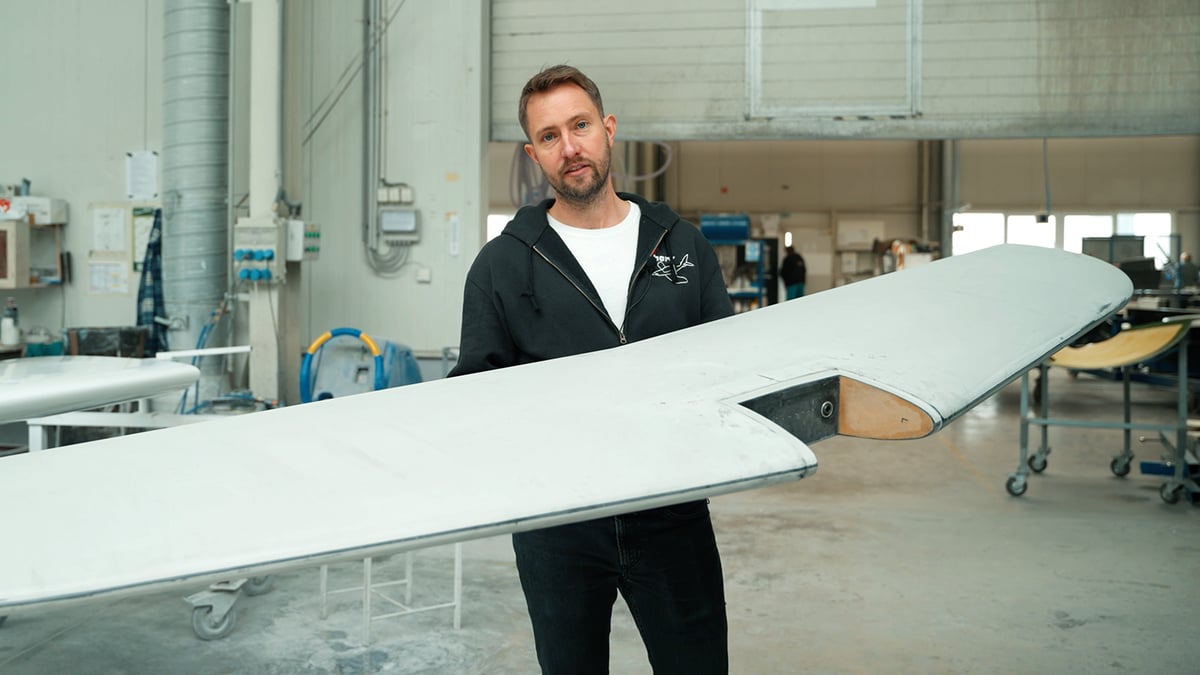
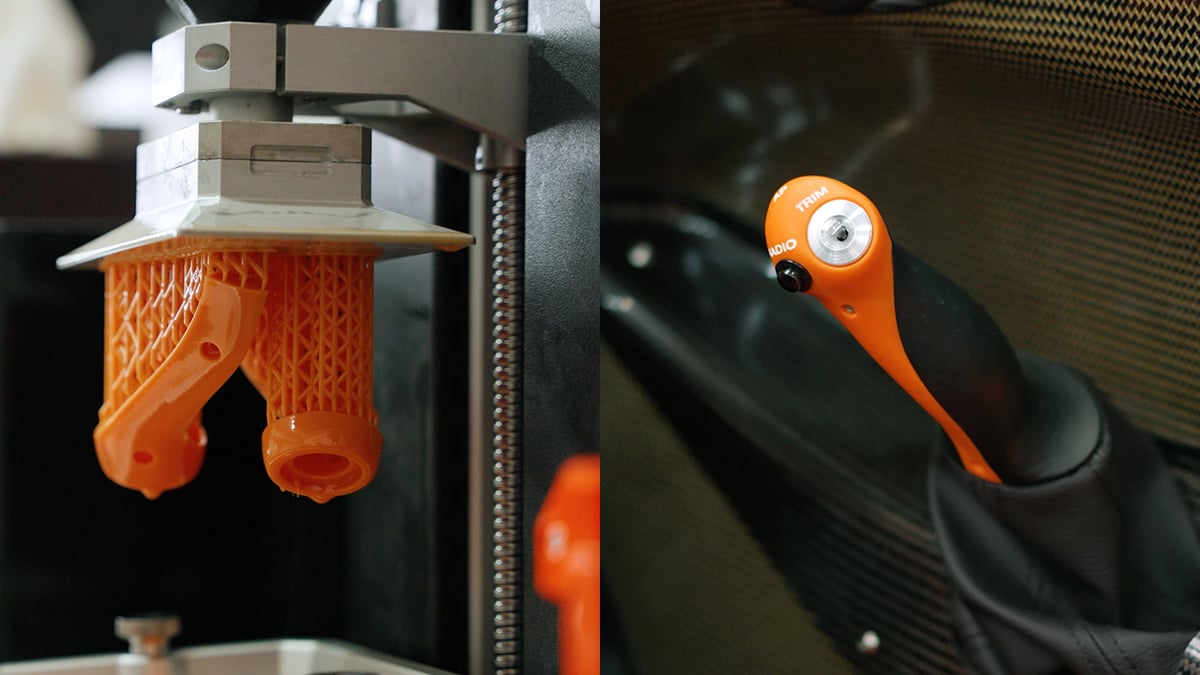
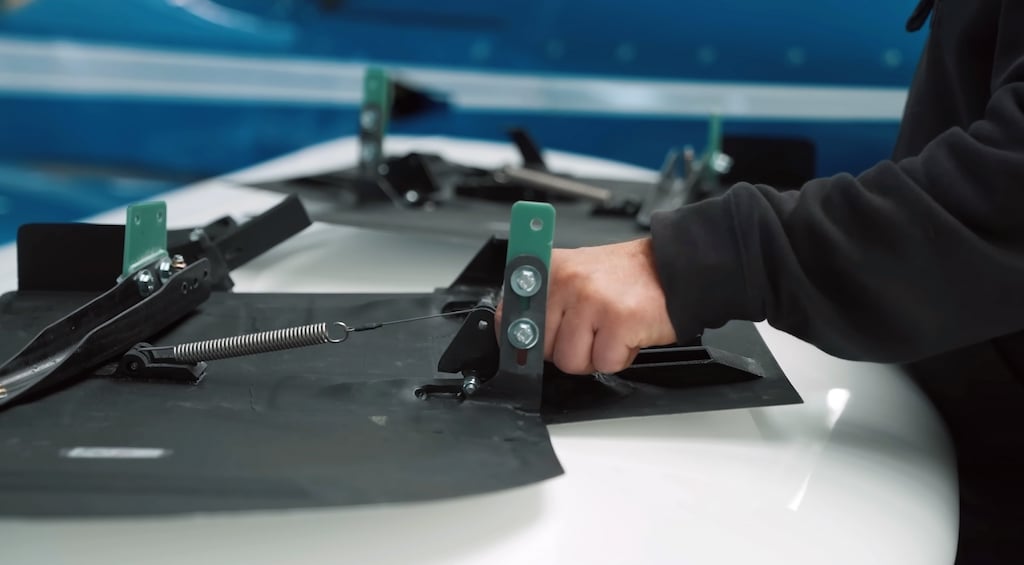
The Slovak aircraft maker moved grips, gear doors and cockpit fittings in-house. Parts that took eight weeks from a supplier now take a day on the shop floor.
- 100+printed parts per aircraft
- 100 hsaved per aircraft
- +10km/h from iteration
“3D printing saves us about 100 work hours per aircraft.”




Customer story Škoda Auto
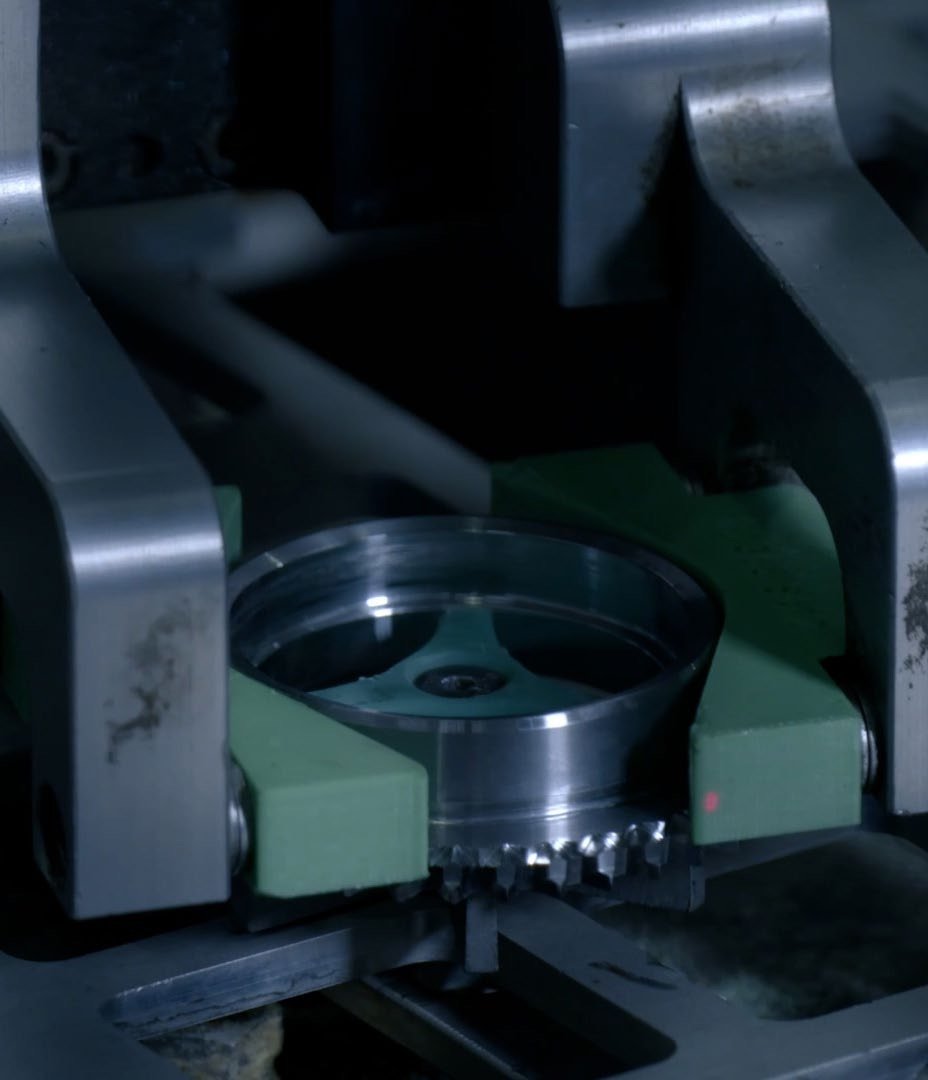
Škoda Auto replaced the metal clamps that were eating its cogwheels
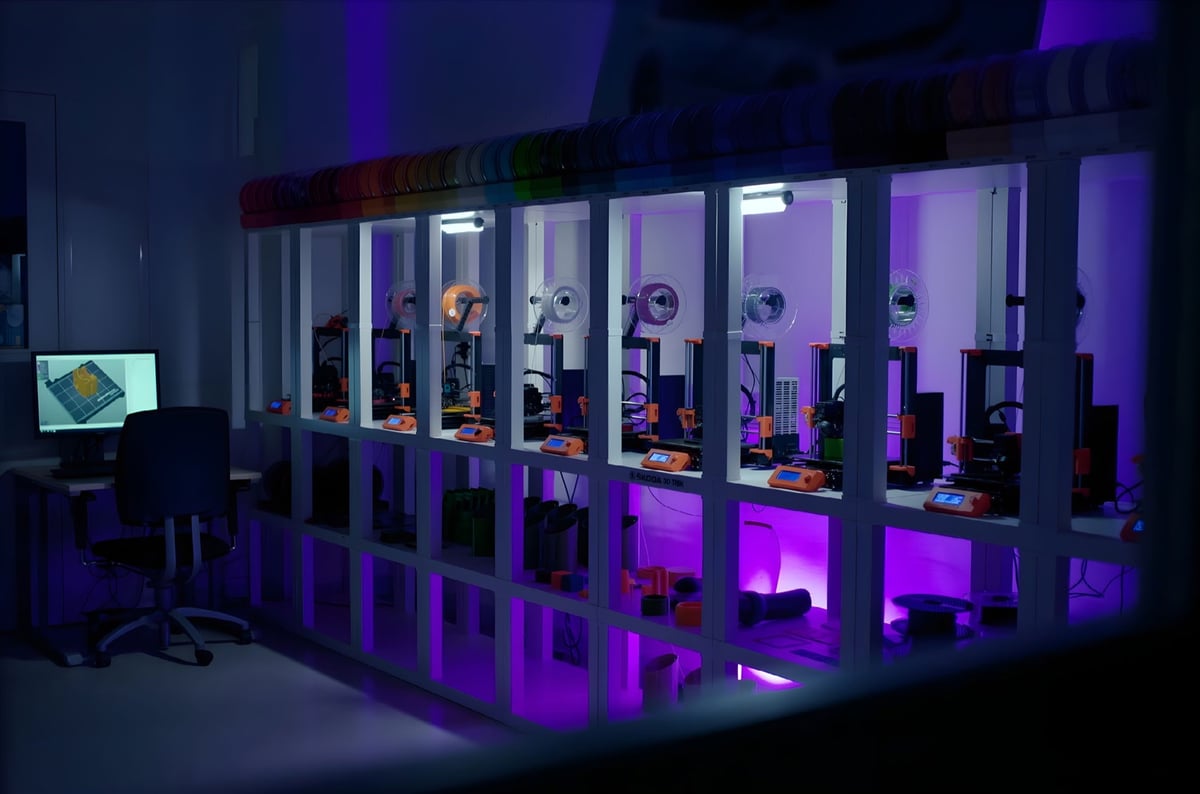
A printer farm went into the welding plant in Mladá Boleslav after maintenance staff, who already print at home, brought the idea to their supervisors. 3D-printed clamps fully replaced the metal ones, and Central Technical Service basically stopped buying spare parts and started printing them instead.
- 1,065,000cars built for customers in 2025
- 35,000employees
- 13,000+car deliveries saved from delay
“Cooperation of Škoda Auto and Prusa Research changed our way of thinking about production.”


Your team’s questions, answered
What architects, designers, and studio managers usually ask before the first print.
Lead Architect
Model flexibility
Studio Manager
Print farm setup
Design Partner
Client presentations