
Enterprise Architecture & design
“Everything that goes into final production is fine tuned into perfection thanks to Prusa printers.”

Lasvit case study in numbers
Lasvit makes hand blown glass installations in Nový Bor, Czechia. Founded in 2007, the company has work in over 2,500 hotels, public spaces and private residences. Since around 2017, the design is proved on a 3D printer before it ever reaches the furnace.
- 300+employees
- 2,500+hotels, public spaces and residences
- 1:1scale printed prototypes
The company began integrating 3D printing into its workflow around 2017 by assembling an Original Prusa MK2 kit.
Master glassblowers work with a 1,500 °C furnace to shape the final product, making verified 1:1 prototypes essential to reduce glass scrap.
The studio expanded its fleet to include Prusa Pro delta printers for tall prototypes, owning one of the first units ever made: serial #20.
The flaw you only find in the hot shop
- ProblemA finalized design doesn't go straight to a machine. It goes to master glassblowers for a highly skilled and resource-intensive process where a flaw found at the bench means material and time already spent. Before 3D printing, the design couldn't be fully verified beforehand, and the work often produced hundreds of pieces that had to be thrown out.
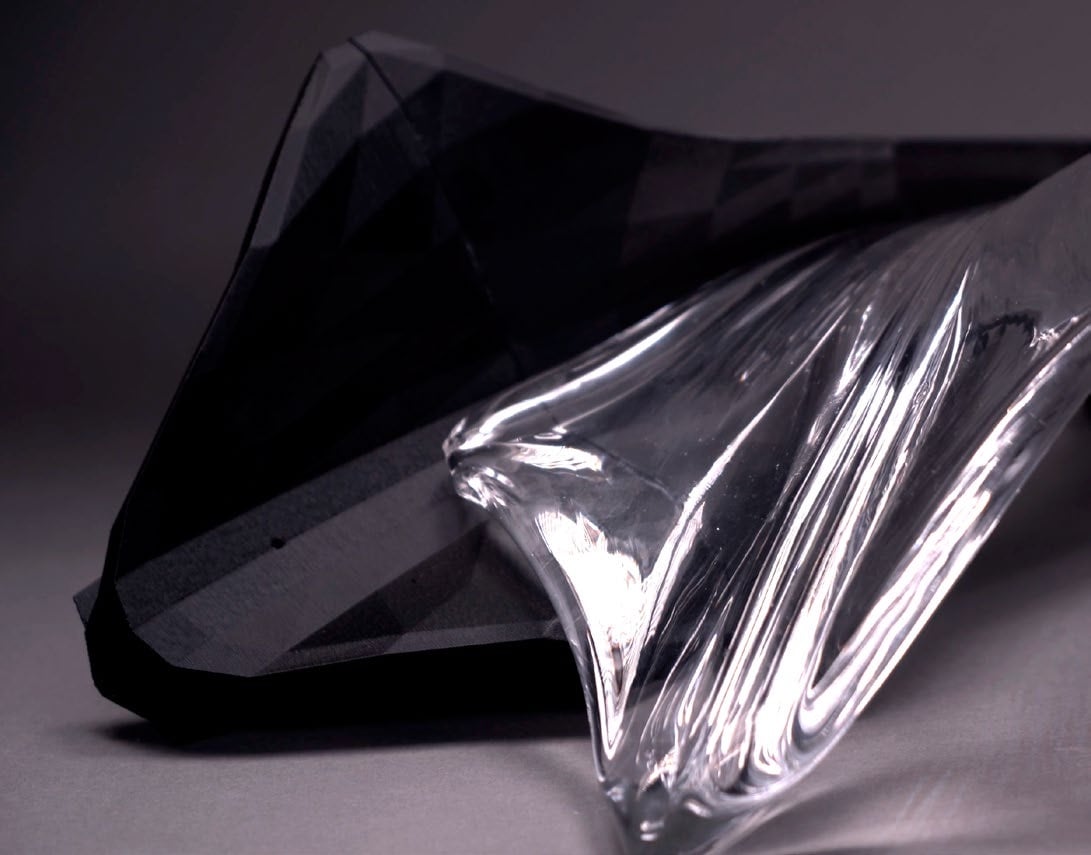
- SolutionThe design is proven in plastic first. Designers make multiple perfected prototypes overnight, one-to-one scale models used to verify proportions, refine complex details, and explore variations before anything reaches the hot shop. For the Galaxy Casino installation in Macau, the printed prototypes of the intricate glass components served not just as guides but as critical tools for communication and validation, so the whole team could check the feasibility of each part.Printed onPrusament PLA
- ValueThe glassblowers receive 100% accurate physical models and plans, and printed templates accompany them as guides during production. What that did to the waste is the one thing the article will not size: it says the scrap was reduced dramatically and gives no figure.
“We would often produce hundreds of pieces that had to be thrown out because the design could not be fully verified beforehand.”
Marek Noháč, Design Engineer at Lasvit

Two printer families, two kinds of object
- ProblemThe catalog runs from statues for the BRIT Awards and Tour de France trophies, tall and slender, to batches of small components that all have to come out identical. One build geometry doesn't serve both, and a prototype that sags or warps teaches the wrong lesson.
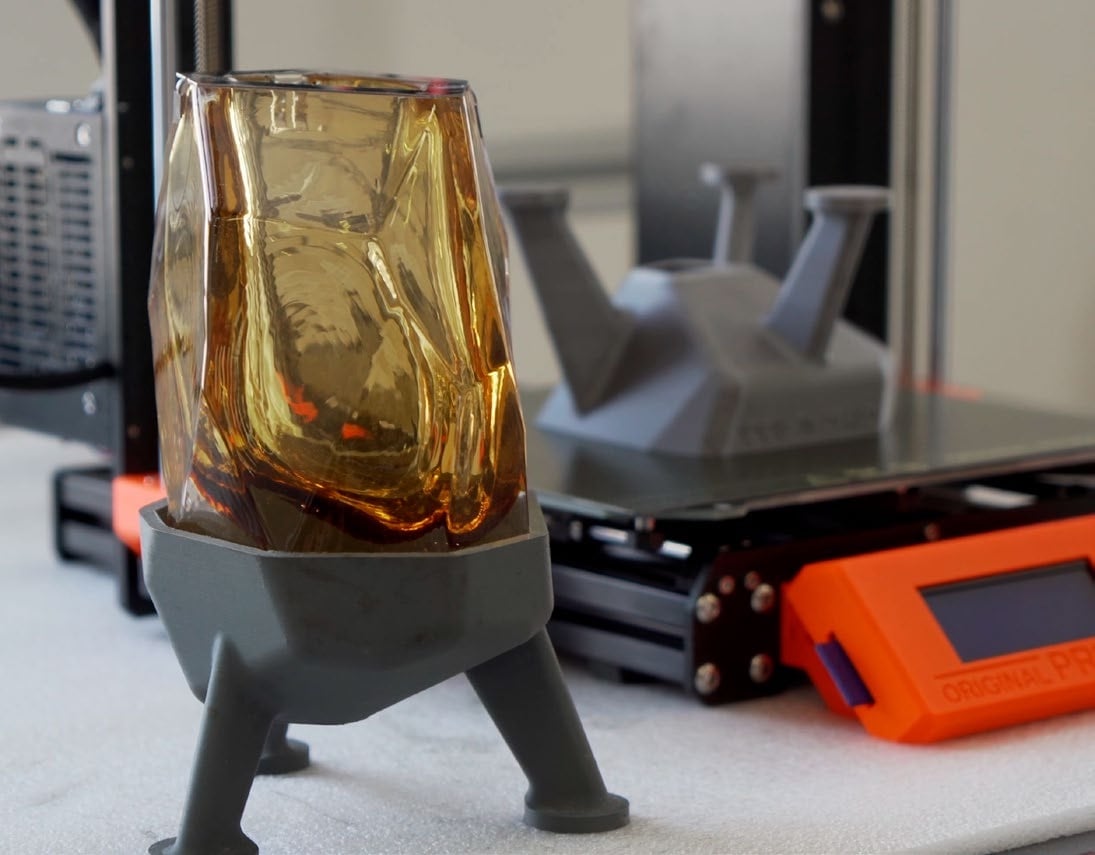
- SolutionThe fleet is used as a deliberate dual system. The Original Prusa machines take lower, flatter objects and batches of smaller components, where consistent quality across the whole build plate matters; the Prusa Pro delta printers take tall, slender prototypes. The first machine was an Original Prusa MK2 that the team assembled from a kit around 2017, an experience that gave them a deep, hands-on understanding of the technology, and one of their delta units is serial #20, among the first ever produced.Printed onOriginal Prusa MK4SPrusa Pro HT90
- ValuePrototypes take hours compared with previous glass prototyping, and the machine is chosen for the object's shape rather than trimming the object to fit the machine. The article never says what the glass route used to cost in time, so this is a direction, not a ratio.

The gasket that used to be a punched circle
- ProblemGlass meets metal in every installation, and glass cracks. The parts that keep the two apart were limited to punching out simple circles and gluing them together, a shape dictated by the tool rather than by the joint they have to sit in.
- SolutionThe gaskets are printed instead: custom-shaped rubber gaskets in FLEX, made to fit the exact geometry where a glass element meets a metal one. Prusament PETG covers the durable, semi-rigid work; TPU is the studio’s other listed filament.Printed onPrusament TPUPrusament PETG
- ValueThe protective part now follows the piece it protects. It is also the clearest line the article draws between the printers and the finished object: FDM’s visible layer lines rule it out for prominent aesthetic components, which need flawless materials like polished stainless steel, so printing does the hidden functional work, and does it in shapes a punch could never make.
Still not sure where 3D printing fits your lab?
See what other organizations print, a classroom, a hangar, a car plant, a trauma center.





Customer story CERN
CERN prints parts that go straight into the LHC tunnel
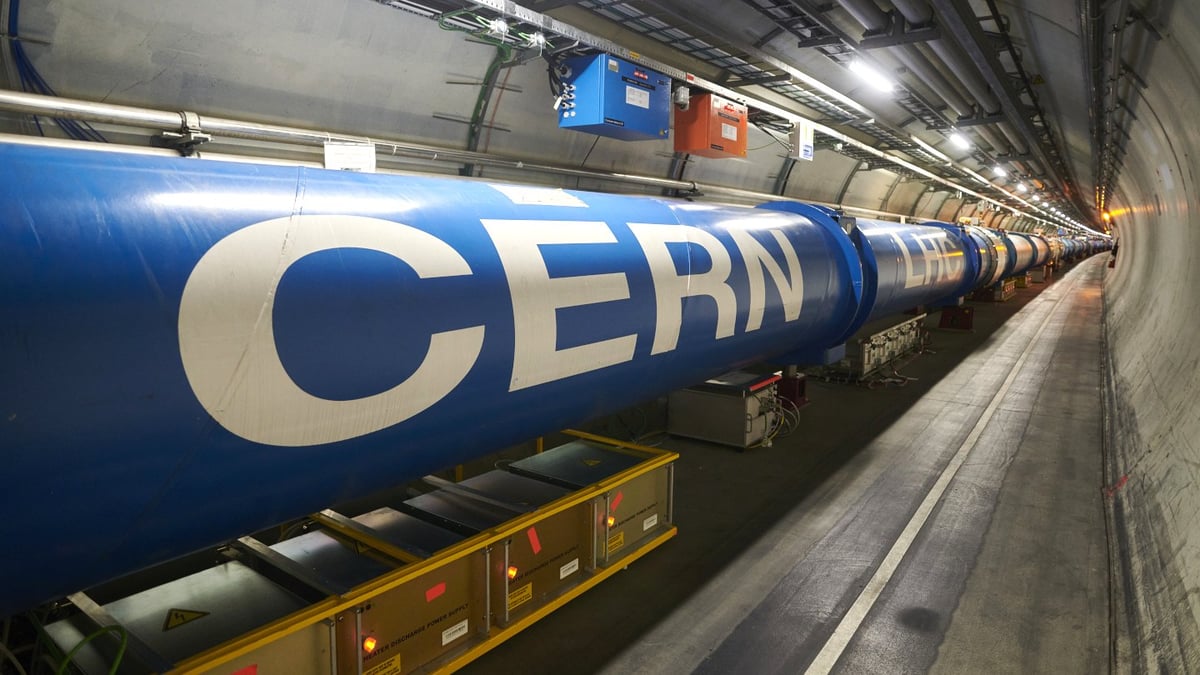
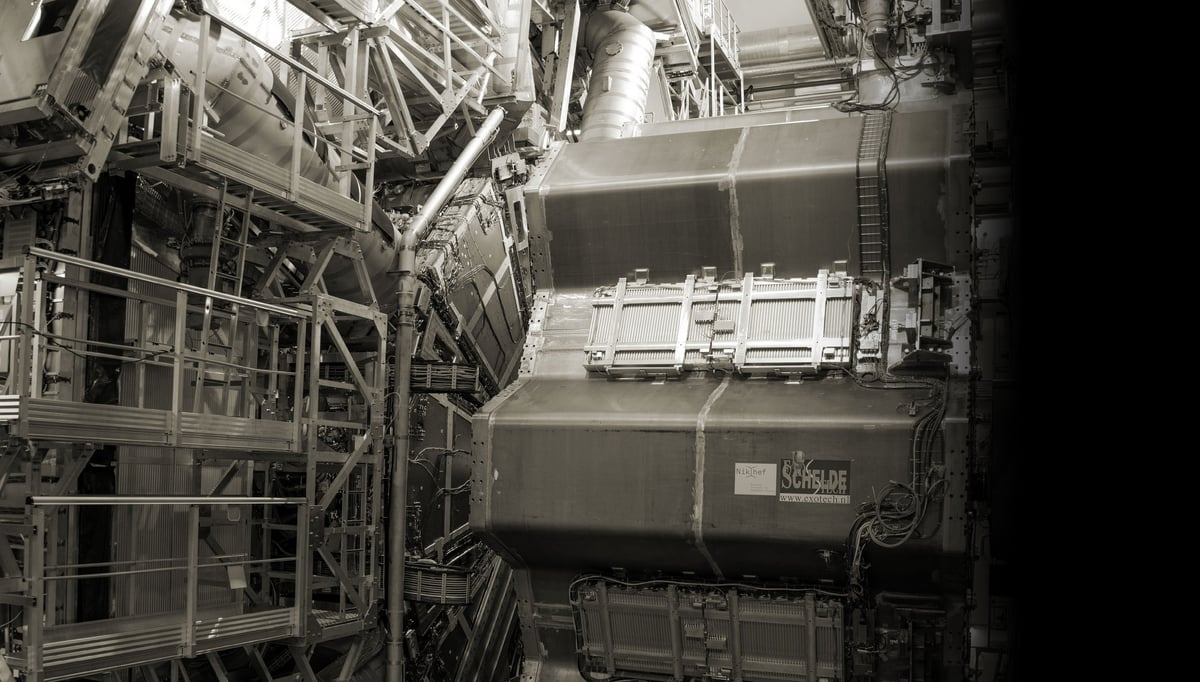
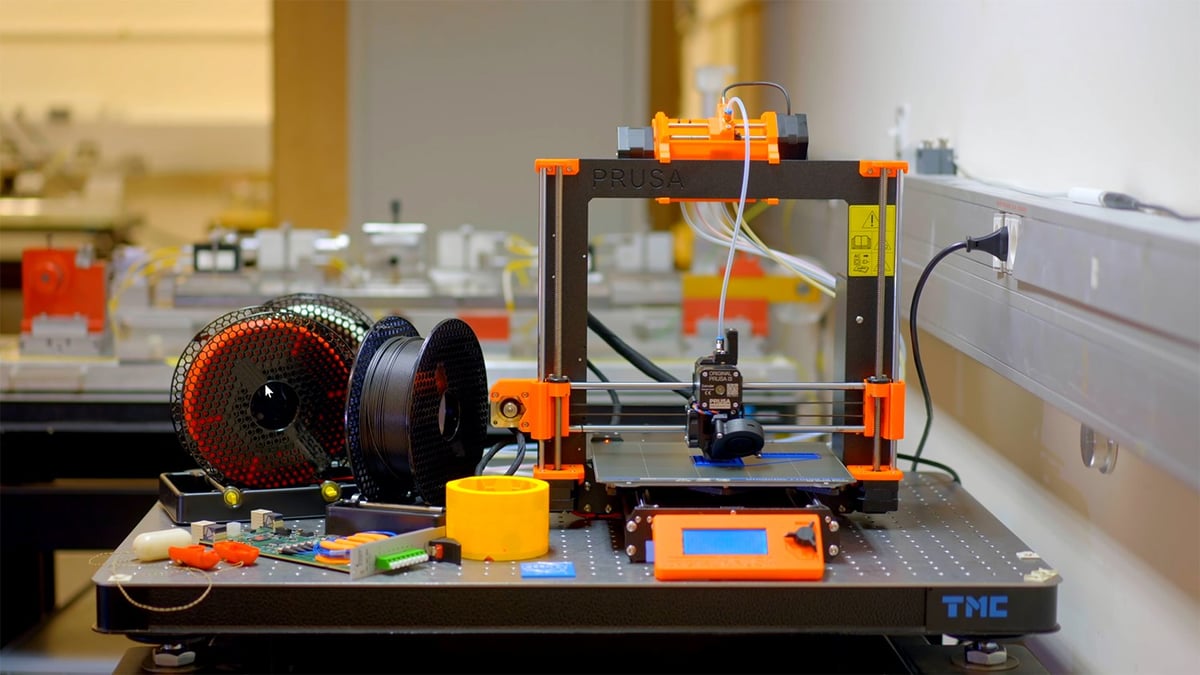
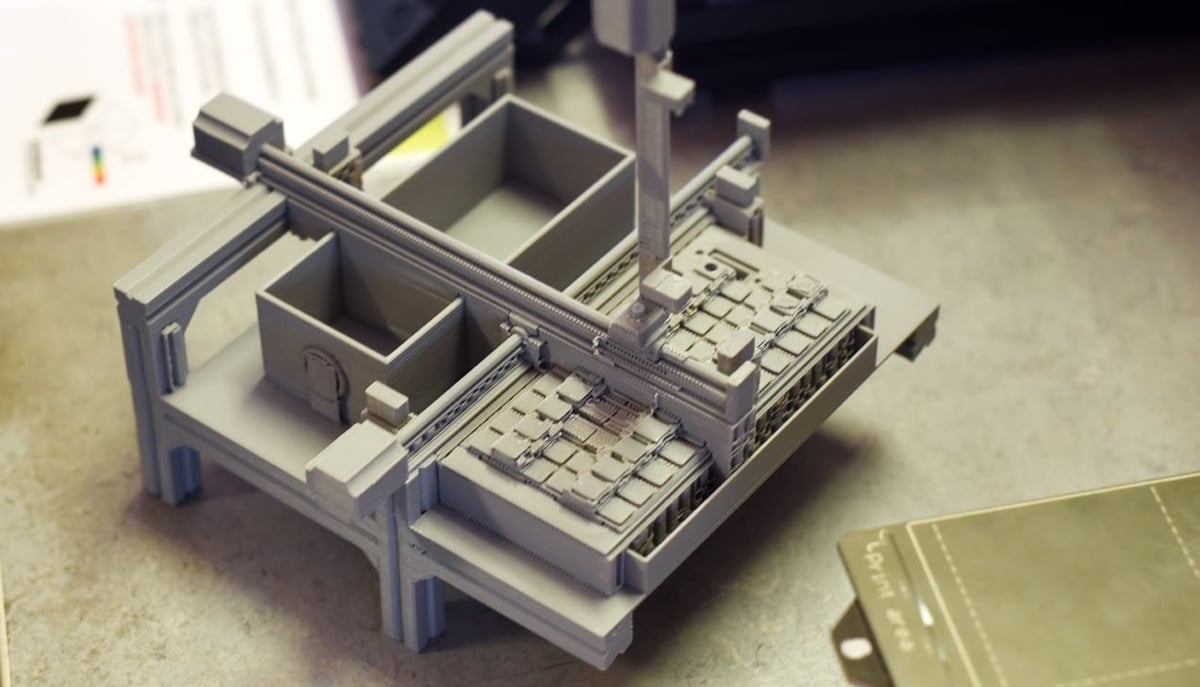
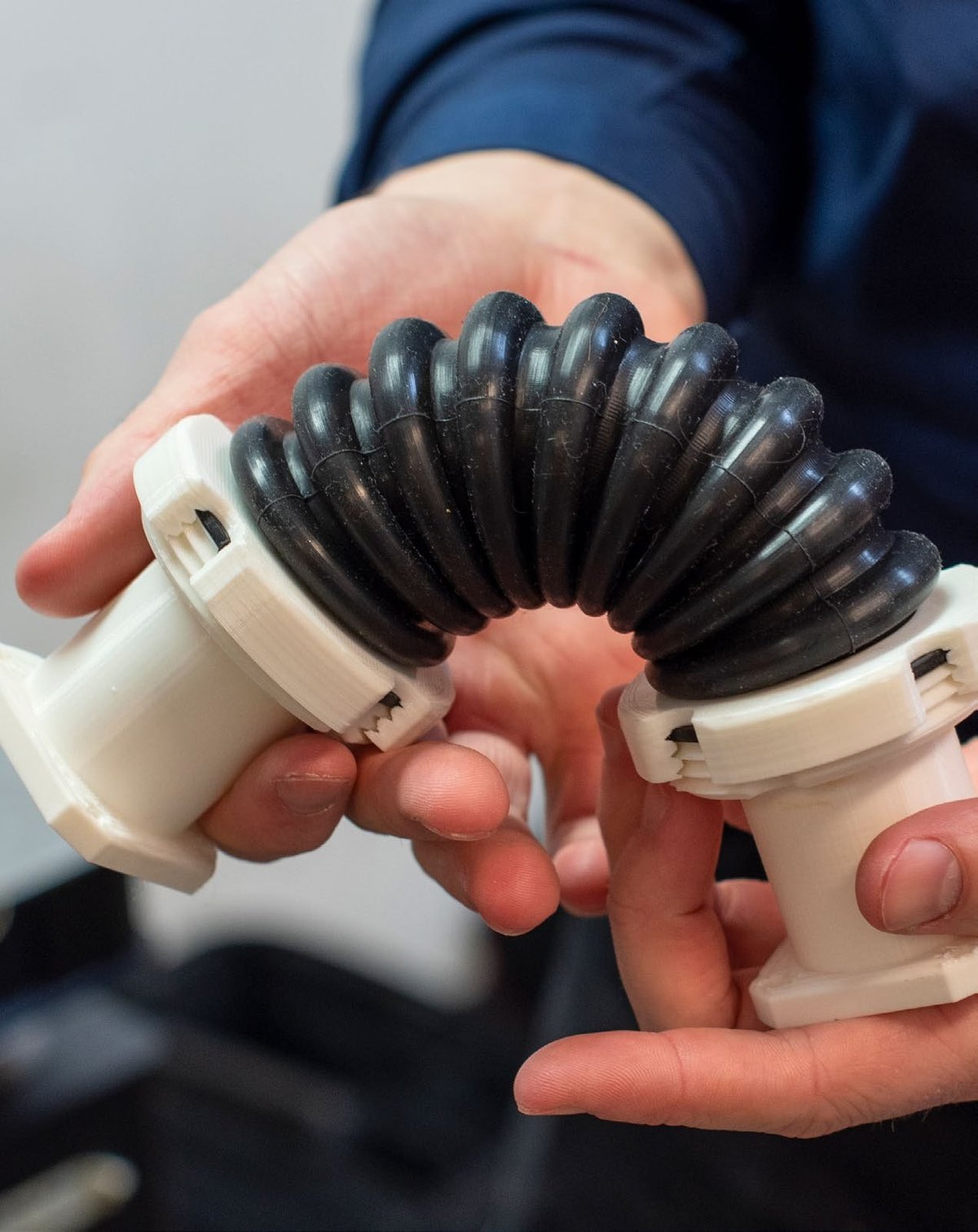
The European Organization for Nuclear Research runs Original Prusa printers across its departments, from maintenance and IT to the research facilities. What comes off them is not always a model of the part: a printed bead carries a fragile measuring wire for 200 metres inside the Large Hadron Collider.
- 12,000+people at CERN
- 27 kmthe LHC ring
- 100 munderground
“We use 3D printing a lot. It is not just for testing, we also use it to create parts that go directly into the tunnels of the Large Hadron Collider.”





Customer story Shark.Aero
Shark.Aero prints the parts its aircraft could not buy
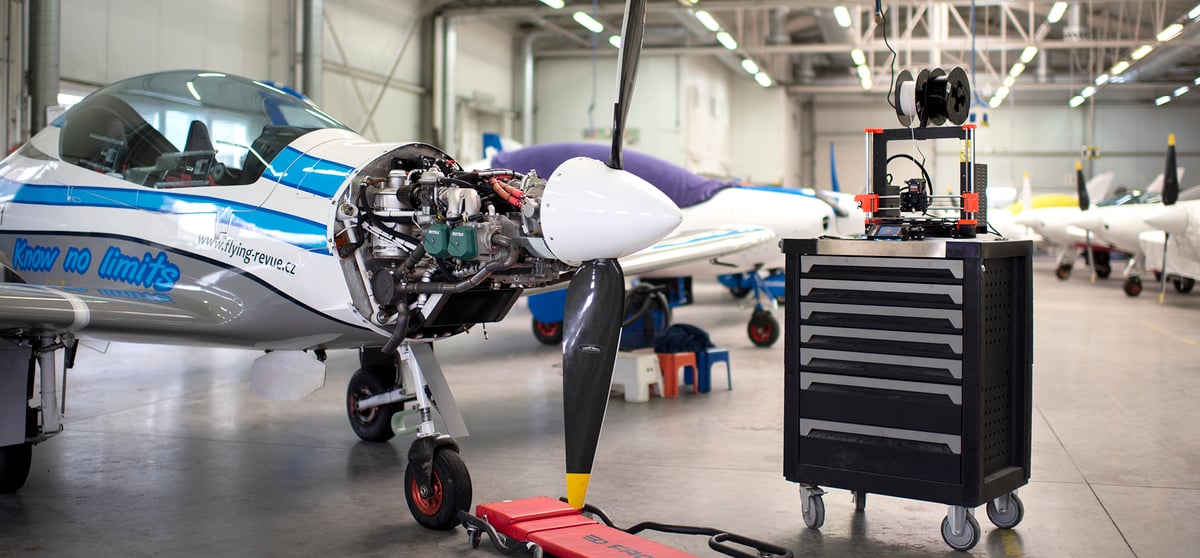
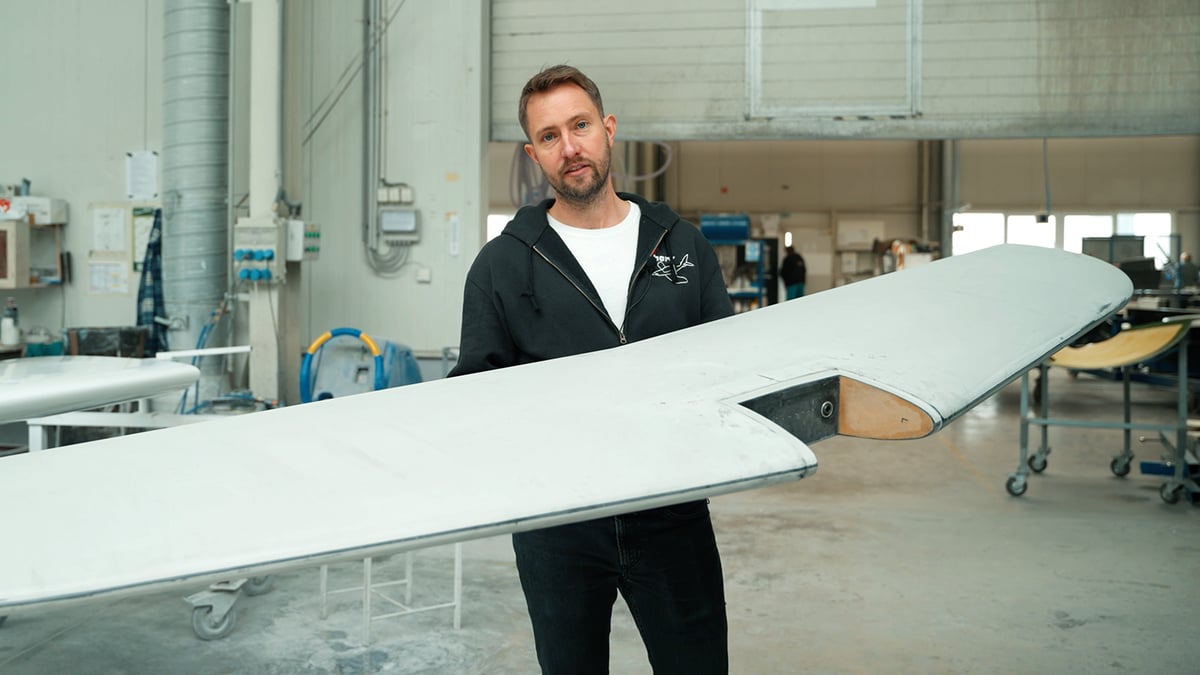
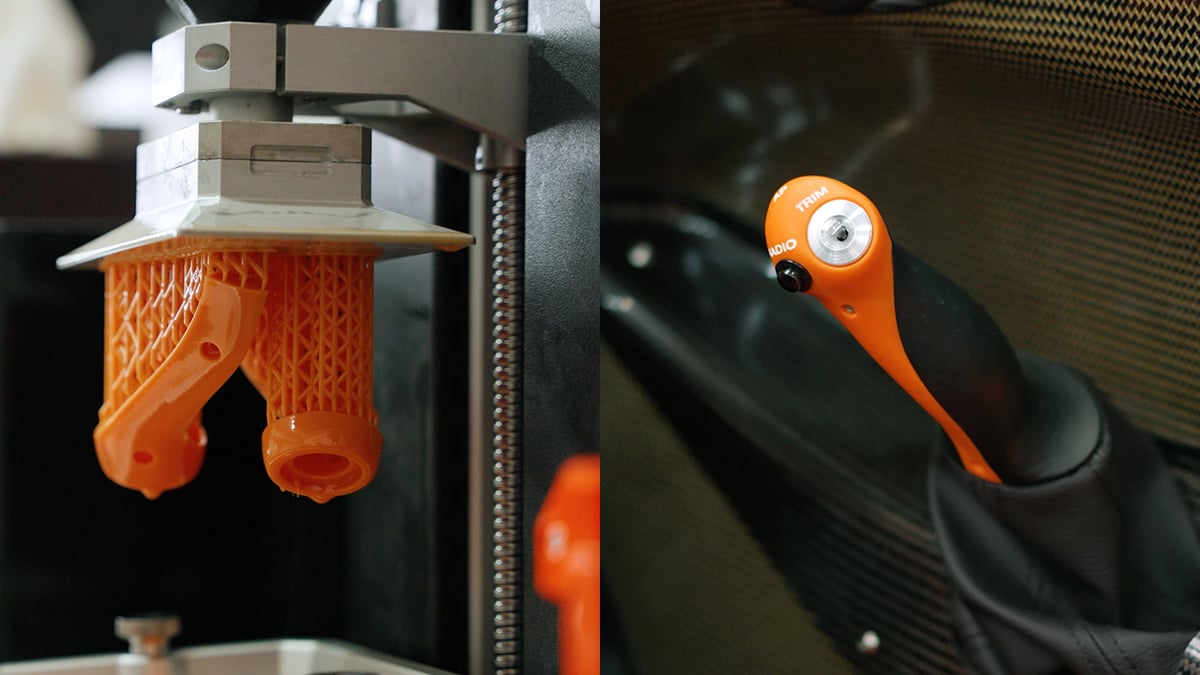
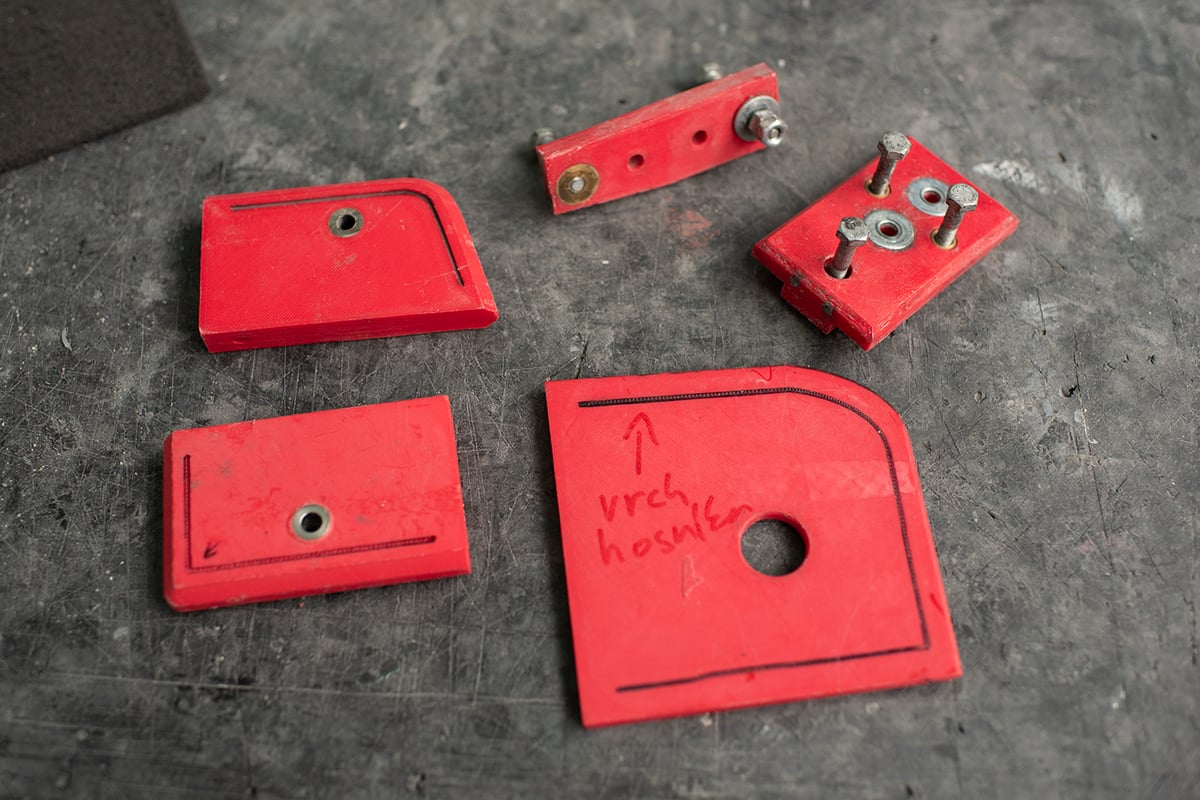
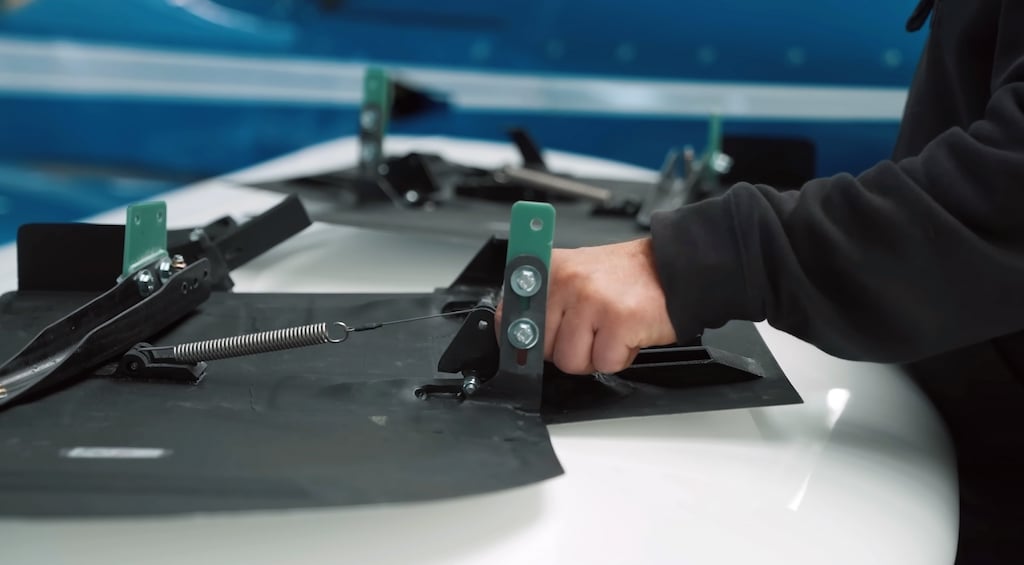
The Slovak aircraft maker moved grips, gear doors and cockpit fittings in-house. Parts that took eight weeks from a supplier now take a day on the shop floor.
- 100+printed parts per aircraft
- 100 hsaved per aircraft
- +10km/h from iteration
“3D printing saves us about 100 work hours per aircraft.”




Customer story University Hospital Brno
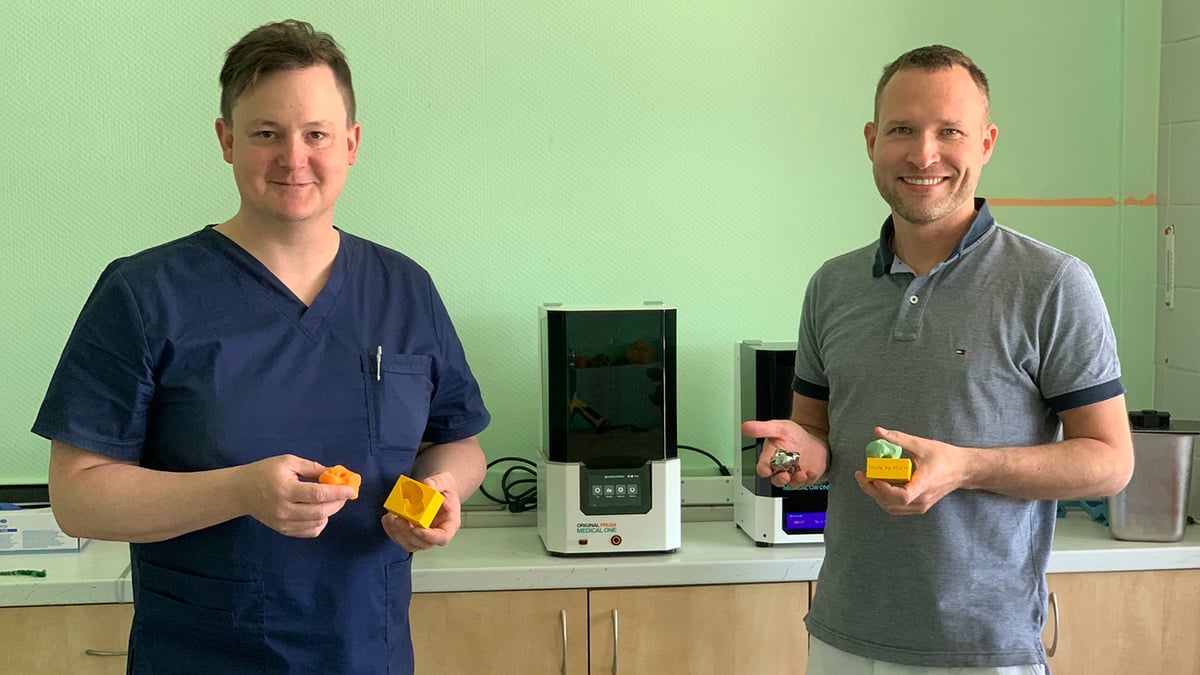
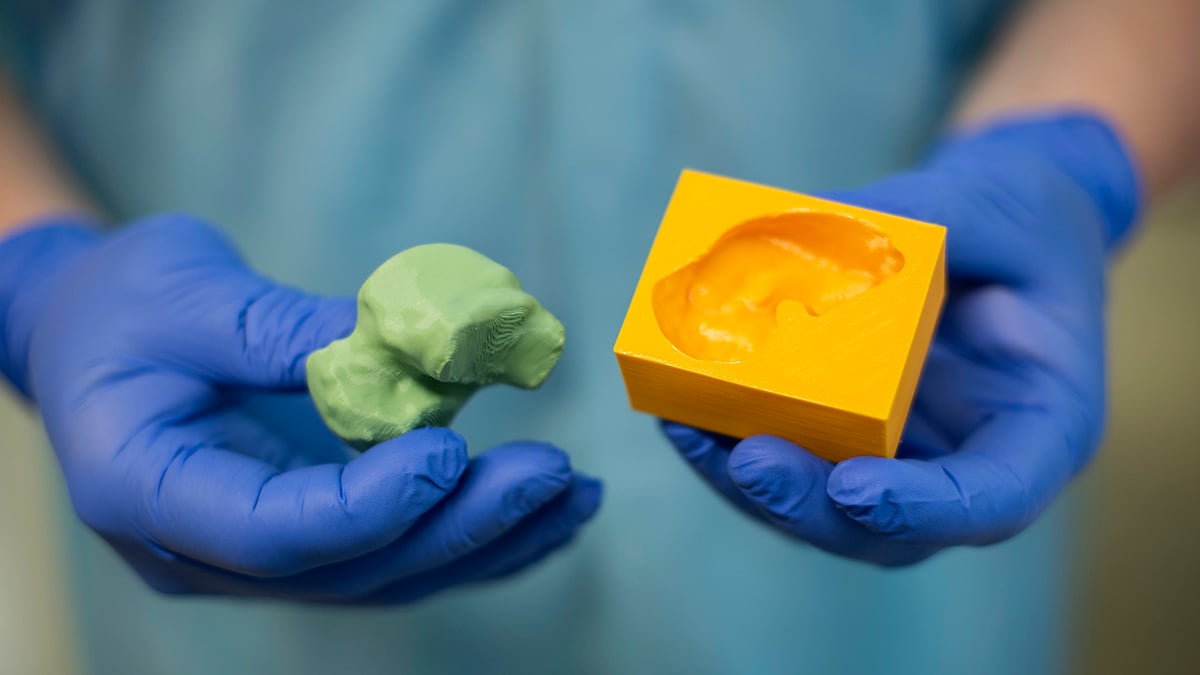
University Hospital Brno printed the models a custom talus was measured on
The Trauma Surgery Department rebuilt a crushed ankle around a custom titanium talus. What came off the hospital’s own Prusa printers was the mould for the antibiotic cement spacer and the plastic models the implant was sized on in the dissection room.
- 4months from accident to implant
- 30+days of preparation
- 1printed spacer mould
“Using 3D-printed models in the dissection room allowed us to test the mechanical properties of the implant and perform a complete dry run.”








Customer story Linus Media Group
Linus Media Group prints every option before it picks one
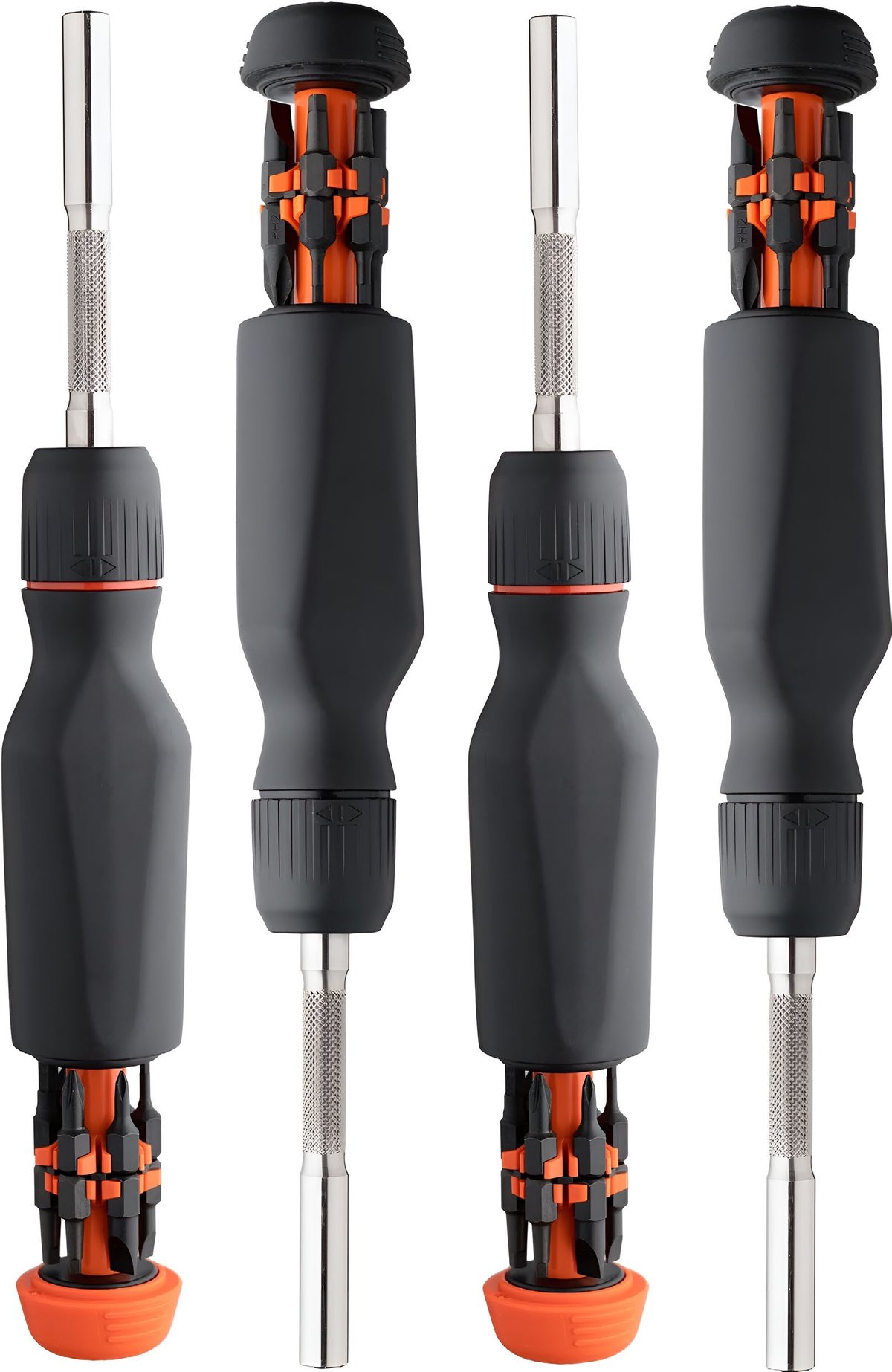
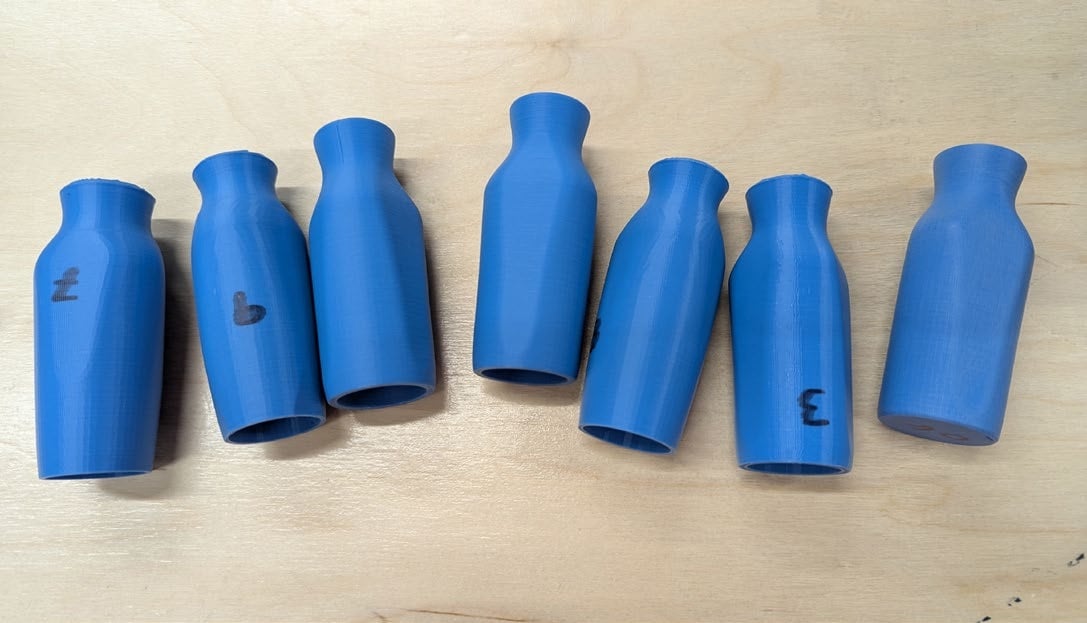
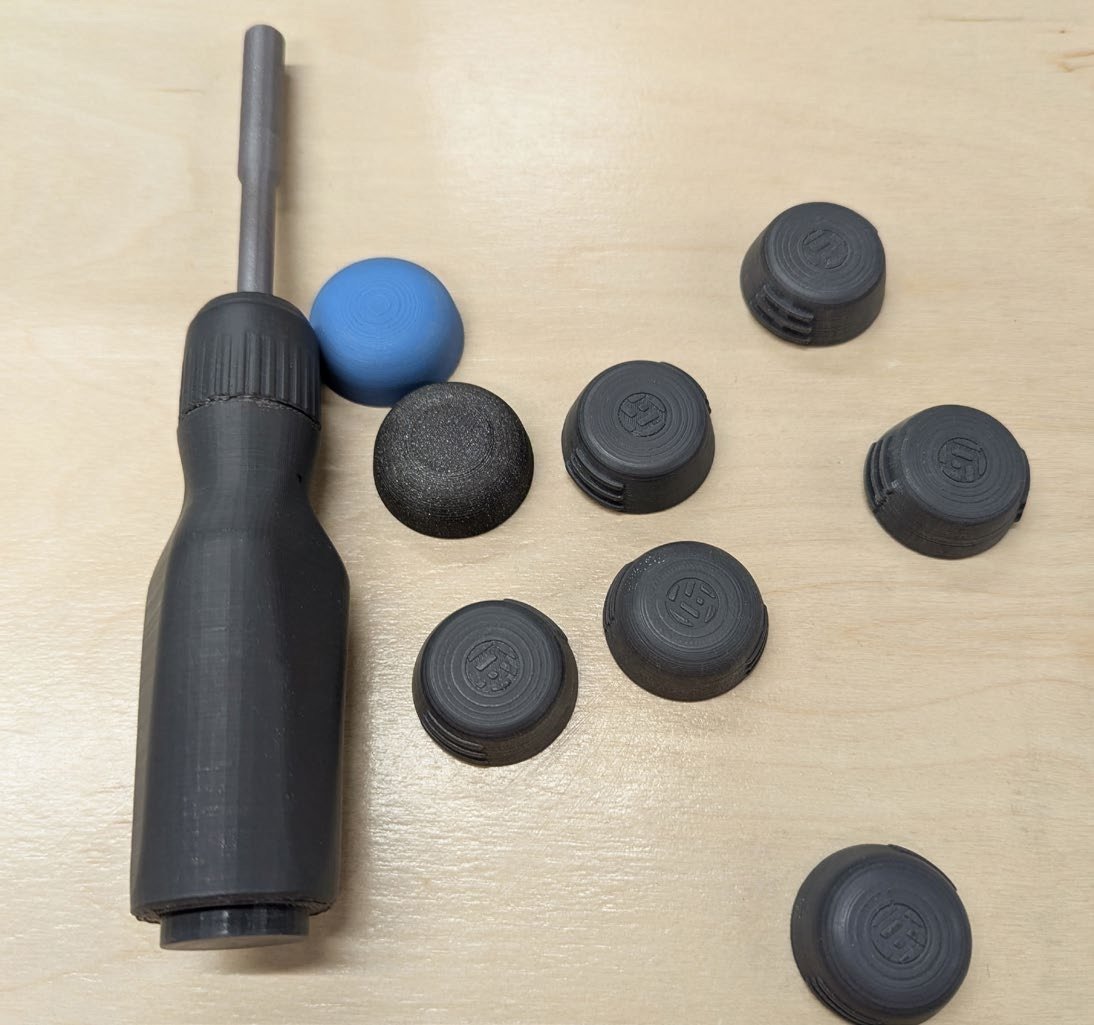
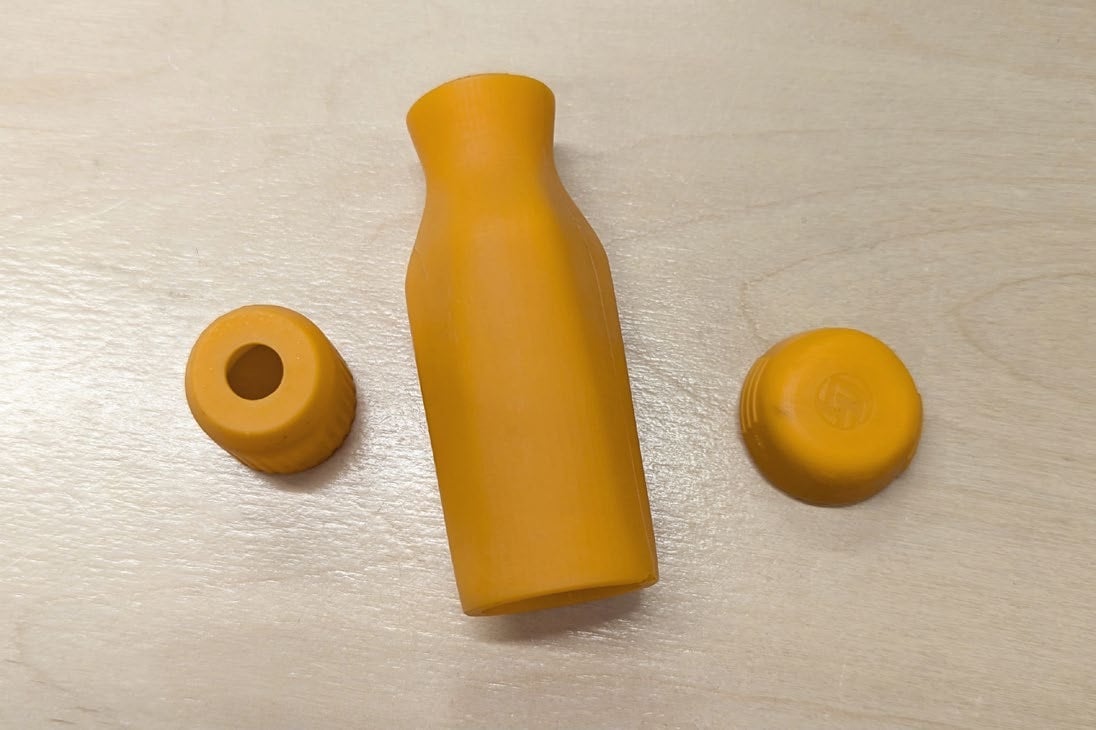
The Vancouver technology video company makes its own tools and merchandise for more than 26 million subscribers. Its first screwdriver took three years and about 17 printed end caps before anyone signed the mold order.
- 26M+subscribers across the channels
- 100+people near Vancouver
- 3 yearsidea to customers, the LTT screwdriver
“It lets you fail fast, fail cheap, and perfect your designs before moving to full production.”


Your team’s questions, answered
What engineering, quality and procurement usually ask before the first print.
Manufacturing Engineer
Tooling / production
R&D Engineer
Materials / durability
Quality / Traceability Engineer
Quality assurance
Maintenance Technician
Spares / repairs
Procurement Lead
Purchasing